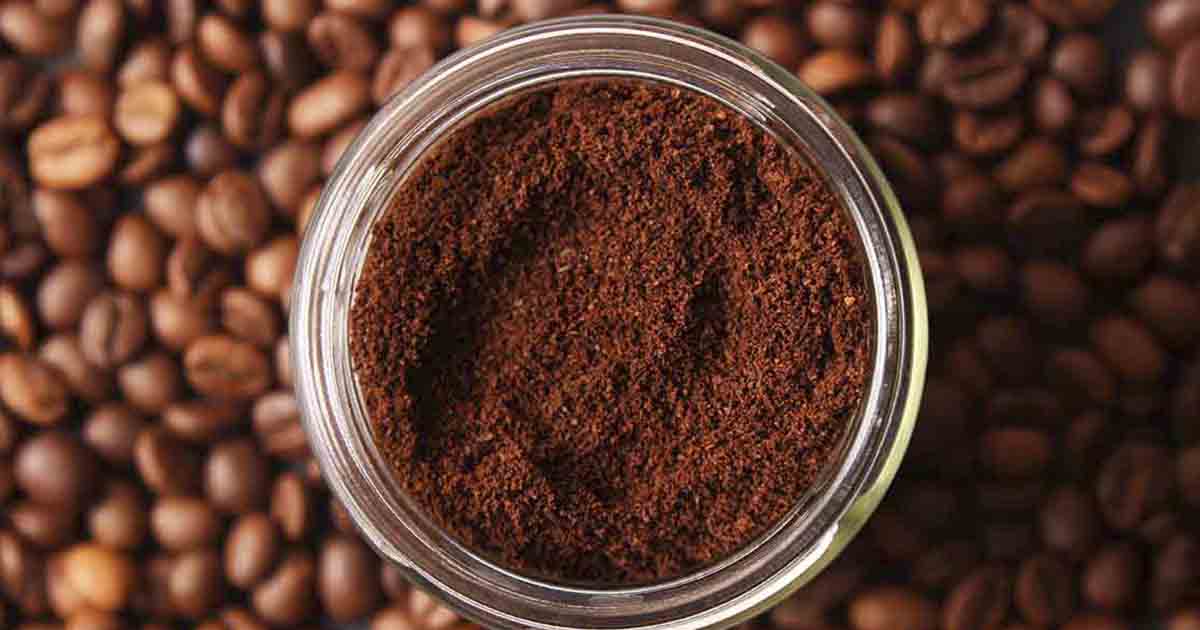
For many of us, the morning ritual of making a cup of coffee is more than just a caffeine kick; it is a necessary gateway to the next productive day. However, for years scientists have suspected that there is more brewing in that carafe than just encouragement. Epidemiological studies have long suggested that regular coffee drinkers have a lower risk of developing type 2 diabetes, but “why” and “how” remains largely unknown.
In a landmark study published in January 2026, researchers finally pulled back the curtain on certain molecules within roasted coffee that not only show health benefits; they are more effective than the leading pharmaceutical drug in laboratory tests. Led by Minghua Qiu at the Kunming Institute of Botany, Chinese Academy of Sciences, a research team identified three previously unknown compounds in roasted coffee beans that could change the way we think about diabetes management and effective nutrition.
Coffee supplements and diabetes: Sugar Gatekeepers
Image credit: Shutterstock
To understand why this discovery is so important, we must first look at how our bodies process the carbohydrates we eat. When you eat a piece of bread or a bowl of pasta, your body uses a special enzyme called α-glucosidase (alpha-glucosidase). Think of this enzyme as the biological “scissors” found in the small intestine. Its job is to break down complex carbohydrates into simple sugars, such as glucose, so they can enter the bloodstream.
In a healthy body, this process is well regulated. However, in people with type 2 diabetes or prediabetes, these sugars enter the bloodstream quickly, leading to “Glucose level.” Over time, these spikes damage blood vessels and organs.
Modern medicine controls this by using drugs known as α-glucosidase inhibitors. The most common of these is acarbose. By “to block” scissors, acarbose slows down the breakdown of carbohydrates, ensuring that sugar enters the bloodstream at a slow, controlled crawl rather than a sudden rush. The news that coffee contains natural compounds that can do this, and do it more effectively than the drug itself, sent the scientific community into a frenzy.
Research: Hunting for Needles in the Chemical Haystack
Coffee is one of the most complex chemical substances that we consume. A single roasted bean contains over a thousand compounds, many of which are created or modified during the high heat of the roasting process. Finding a particular molecule with therapeutic properties among thousands of others is like trying to find a particular needle in a haystack.
Researchers at the Kunming Institute of Botany used “three steps, focused on work” come closer. Instead of just examining the entire coffee, they break it down systematically:
- Classification: They divided the raw portion of roasted Arabica beans into 19 “fractions” or groups based on their chemistry.
- Job evaluation: Each group was then tested in a lab dish to see if they could stop the α-glucosidase enzyme from working.
- Molecular Identification: Once they have found the most active groups (especially fractions 9 to 13), they use high-tech tools like Nuclear Magnetic Resonance (NMR) and Mass Spectrometry to identify the structure of the responsible molecules.
What they found were three new molecules that had never been documented by science before. They named these compounds caffaldehydes A, B, and C.
How It Worked: Beating the Gold Standard
A defining moment of research came when scientists pitted new caffaldehydes against acarbose, a common diabetes drug. In science, the potency of a drug is usually measured by its IC50 value. This value represents the concentration of the substance required to inhibit the biological process by 50%. In this context, a lower number is actually better, because it means you need less of the compound to get the job done. The results were surprising:
- Acarbose (medicine): A high concentration is required to inhibit the enzyme.
- Caffaldehydes A, B, and C: All three showed very low IC50 values, especially 45.07, 24.40, and 17.50 μM.
Caffaldehyde C, in particular, was the heavy hitter of the group, showing potential that suggests it is a “sticky” inhibitor, which sticks to the enzyme and prevents it from processing sugar more effectively than its pharmaceutical equivalent.
Beyond the Big Three: Molecular Networks
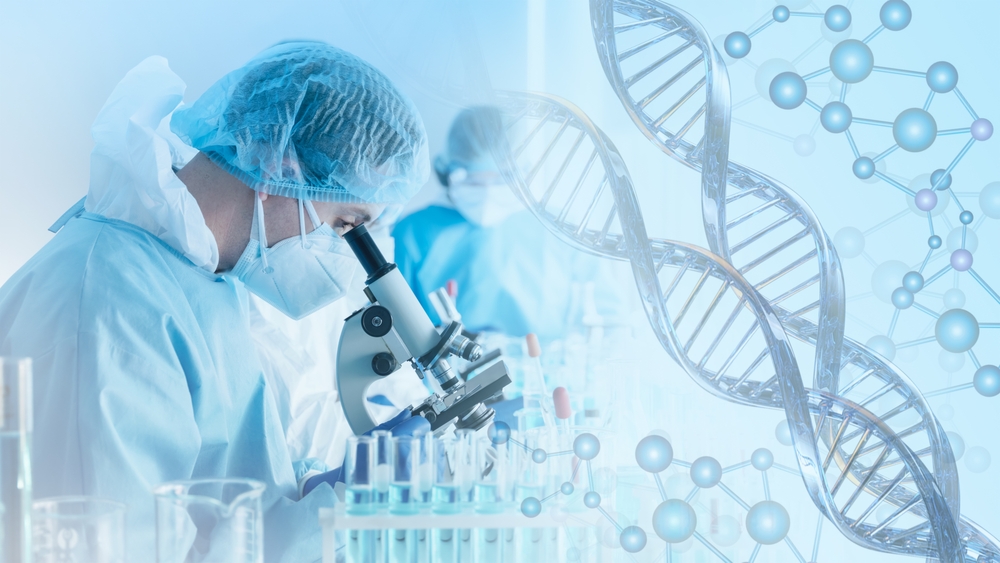
The discovery did not stop with caffaldehydes. Using a process called “a network of molecules,” the team was able to map the family of these compounds.
These molecules are technically known as diterpene esters. Diterpenes are a class of chemical compounds found in coffee bean oil. Although we have known about other diterpenes, such as cafestol and kahweol, for decades, the discovery of these new esters suggests that the dark matter of coffee chemistry is much richer in potential health benefits than previously thought.
“Green” Success: Fast and Clean Research
While the discovery of the compounds themselves is a topic, how scientists discover them is equally important to the future of nutritional science. Traditionally, isolating these types of trace molecules requires large amounts of chemical solvents and months of tedious work in the lab.
The team’s combined withdrawal strategy used much less solvent and a much faster timeline. This raw discovery method means scientists can now go back and look at other complex foods, such as cocoa, tea, or medicinal herbs, and find hidden health-enhancing molecules that were previously missed because they were present in small amounts.
Essential: The Future of “Functional Food”
It’s important to manage expectations: this was a lab (aka in vitro) experiment, not a human clinical trial. You can’t just drink twenty cups of coffee today and expect to cure diabetes. In fact, many of the most potent compounds identified in this study are found in trace amounts in the average drink. This, in addition to the fact that it becomes an important point if you are one who takes sugar in your cup.
That being said, the implications for the future cannot be overstated. This research paves the way for several developments. This includes:
However, the implications for the future are great. This research paves the way for many developments:
1. Targeted Nutraceuticals
Instead of just drinking coffee, scientists can extract these specific caffealdehydes to make a concentrate “a coffee pill.” This supplement can be taken before a high-carbohydrate meal to help diabetics control their blood sugar without the stomach side effects sometimes associated with synthetic drugs like acarbose.
2. Designer Coffee Roasts
Now that we know exactly which molecules help with blood sugar, coffee roasters and food scientists can work together to develop roasting techniques that “turn on” or maintain high levels of these compounds. We may soon see Glucose-Support coffee blends on grocery store shelves, backed by solid molecular science.
3. Precision Medicine
The discovery of how these diterpene esters interact with human enzymes provides a new template for drug design. Pharmacists can check “shape” of caffaldehyde C and use it as a blueprint to create even more potent, synthetic versions of the treatment of metabolic disorders.
Is Coffee the New Drug?

While these findings are exciting, the researchers emphasize that they are only one piece of a much larger puzzle. The effect of coffee on the body is a combination of many different chemicals working together. For example, while these new compounds help with blood sugar, some compounds in coffee affect heart rate, while others act as antioxidants.
In addition, the study focused on roasted Arabica beans. This is important because the roasting process actually creates these new molecules through chemical reactions caused by heat. It suggests that if the roast is darker or lighter, the medicinal profile of the drink may be very different.
Read more: Doctors Say Your Eyes Can Show Diabetes and Cancer – Are You Watching?
Don’t Stop Your Diabetes Medicine Just Yet
The discovery that coffee compounds can “hit” diabetes drug in laboratory environment water minute of food science. It changes our understanding of coffee from a simple beverage to a complex chemical library, full of potential medicines.
For the average person, this study provides scientific confirmation of “hello life” who have been around coffee for a long time. It suggests that our daily routine may do more than just keep us awake; it may provide us with a subtle, natural defense against one of the most common metabolic diseases of the 21st century.
As we move forward, the focus will shift from the petri dish to the patient. Future research will need to determine how well these caffealdehydes survive the human digestive system and whether they can reach the gut in concentrations high enough to make a real-world difference. Until then, coffee lovers can take a little more satisfaction from their next cup, knowing that science has just confirmed that there is more than just caffeine lurking in that dark, aromatic brew. The next generation of diabetes treatments may not come from a laboratory bottle, but from a coffee bean.
Disclaimer: This information is not intended to be a substitute for qualified medical advice, diagnosis or treatment and is for informational purposes only. Always seek the advice of your doctor or other qualified health care provider with any questions about your medical condition and/or current medications. Do not disregard effective medical advice or delay seeking advice or treatment because of what you read here.
AI Disclaimer: This article was created with the help of AI and edited by a human for accuracy and clarity.
Read more: People With Severe Diabetes Treated In Trial Of New Drug