Lack of Food Kills Tens of Thousands of Penguins on African Coast

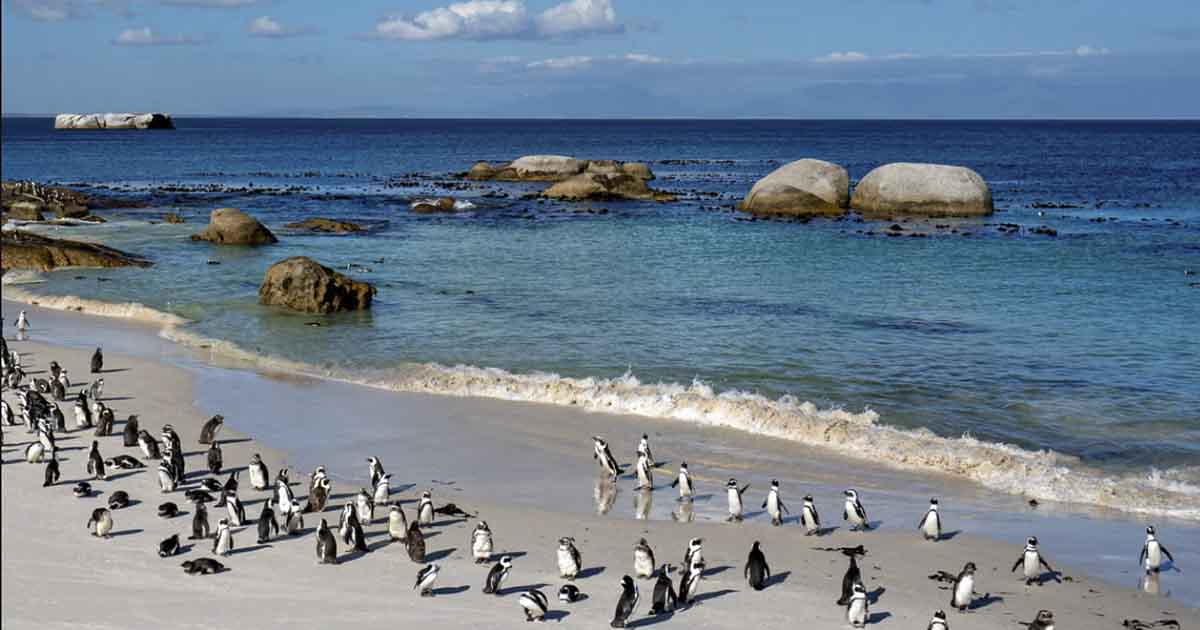
More than 60,000 African penguins have died of starvation within eight years. New research has documented penguin colonies off the coast of South Africa, on Dassen Island and Robben Island. The researchers noticed a pattern: breeding penguins starved during the molting season. They attributed the loss to climate change and overfishing, which deprives the birds of their normal food source.
Where Have African Penguins Gone?
Photo credit: Shutterstock
“Between 2004 and 2011, the sardine stock in western South Africa has been less than 25% of its peak value and this appears to have caused a shortage of food for African penguins, resulting in the loss of an estimated 62,000 breeding stock.,” said author and conservation biologist Dr. Richard Sherley in a press release.” Researchers estimate that 95% of the birds born in 2004 had died by 2012. Remember that Dassen Island and Robben Island are the two main breeding grounds for African penguins in the world, and researchers believe that this decline is also happening in other habitats.
Food shortages are a major concern after African penguins were classified as Critically Endangered on the IUCN Red List in 2024. At the same time, there are low levels of successful fish spawning on the west coast of Africa due to changes in sea temperature and salinity. At the same time, fishing continues as usual, that is, at a high level.
Conservationists have been calling for sustainable fishing in that region, and researchers agree. “Management that helps promote the long-term recovery of sardine biomass in the main feeding grounds of African penguins during their annual cycle will be critical to safeguarding their future survival,” they write in a study published in Ostrich: Journal of African Ornithology.
Fasting and hunger
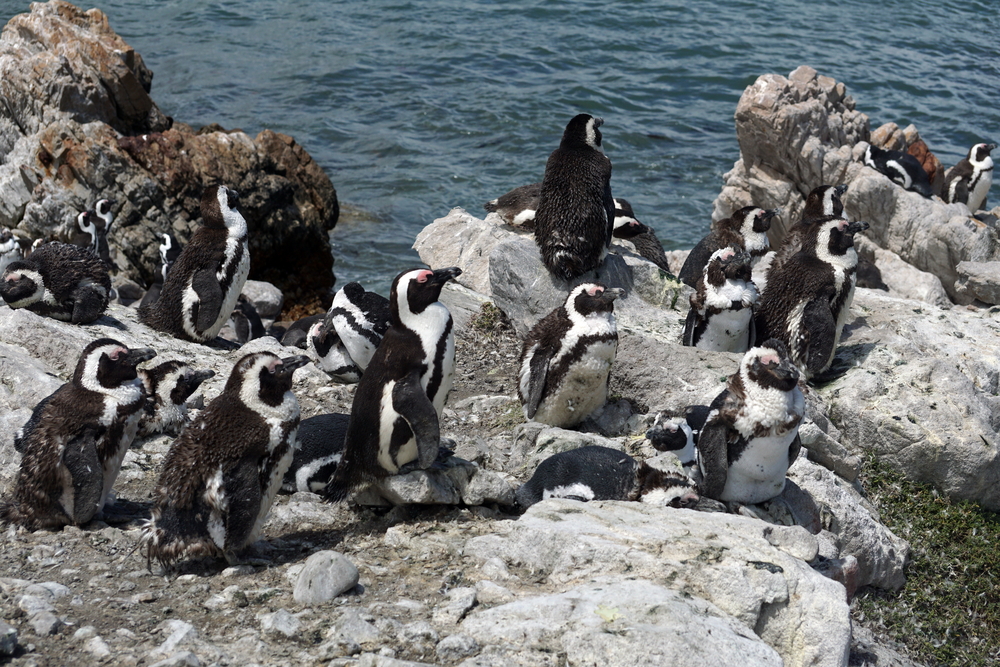
Penguins are at high risk of starvation during their molt. This happens once a year, when penguins shed their feathers and regrow. This process helps them stay sealed and waterproof. However, they need to stay in the country while this happens, about 21 days. So they gain weight in advance to prepare for the weeks of fasting.
As Shirley explains: “They are converted to build fat and fast while their bodies digest those stores, along with their muscle protein, to go through the molt.” After that they need to be able to recover the physical condition immediately afterwards. So, basically, if food is too hard to find before they molt or soon after, they will have insufficient resources to survive the molt.t.” Remember, colonies can survive occasional poor reproductive periods when there are still high numbers of fertile adults. Their death seriously threatens the long-term survival of this species.
The researchers did not see many dead penguins in the world, so they believe that they probably starved to death while trying to fish. Because they couldn’t count carcasses, scientists used long-term data from tagged birds to track survival rates. Additionally, they count the number of adults that breed each year and compare with previous records.
Many Threats to African Penguin Populations
Photo credit: Shutterstock
Sardines are at the center of the problem for African penguins, and they used to swim near the birds’ breeding grounds. These fish feed on plankton and are prey for dolphins, seals, and other seabirds. During the study period from 2004 to 2011, the number of people still helping remained at less than a quarter of its previous spike, and did not grow. Predators had to swim long and far to find food, putting them all at greater risk of starvation.
Increased ocean heat waves and changes in wind patterns have reduced the amount of nutrients in the surface waters where sardines spawn. Alternatively, the spawning grounds can be thrown into deeper water and away from the coastal plankton, their food source. At the same time, commercial fishing did not account for the decrease in population, and achieved the same volume as in previous years. The main fishing grounds are often past where the penguins feed. Between overfishing and poor reproductive success rates, the salmon population is unable to regenerate.
Remember, African penguins move to the same breeding grounds every year, so fewer fish means longer and more exhausting trips to find food. Combined with a three-week fast, the chances of survival became slim. Unfortunately, lack of food is not the only threat to this species, reports AZ Animals. Human activities, such as oil spills and guano mining, destroy habitats and kill many birds.
Efforts to Save African Penguins
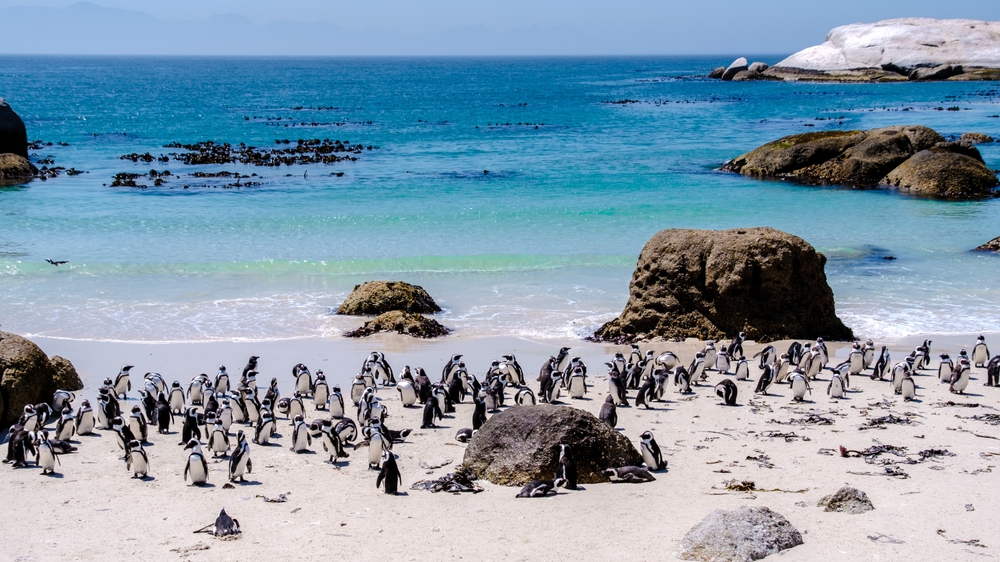
Photo credit: Shutterstock
In September 2022, South Africa’s Department of Forestry, Fisheries and Environment restricted the commercial fishing of anchovies and sardines in penguin habitats. The ban includes the areas around Dassen Island and Robben Island, where research is being conducted. “… reads the ministry’s press release. “The review will advise the Department on the number of fishing restrictions for the success of the penguins, and the impact such restrictions will have on the fishing industry.”
However, conservationists argue that the closure will not be enough to restore the African penguin population, especially since some of the listed areas are not inhabited by penguins. BirdLife South Africa and SANCCOB (represented by the Biodiversity Law Center) took the fisheries to court and won compensation to expand the areas. The manager of the Seabird Conservation Program Dr. Alistair McInnes explained the changes in an interview. “While we have agreed to accept the closures on Dassen and Dyer Islands to speed up the resolution of the issue, we are happy to close the areas that protect the food of the African penguins throughout their breeding range in South Africa, and that allows the availability of animals by encouraging access to sardines and anchovies.”
Preserving Popular Species
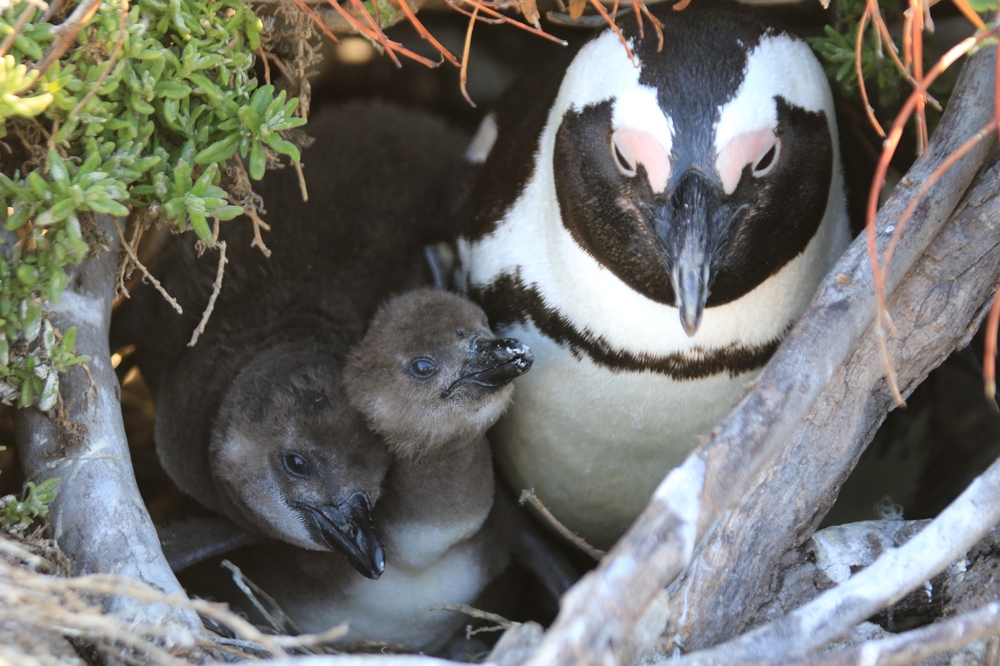
Penguins are adorable animals and are a favorite of many. They often appear in popular movies, nature documentaries, and viral social media posts that show their cute waddle and heart-warming family bonds. Unfortunately, their recommendations did not prevent them from the negative effects of environmental change and human interference. It raises the question: what can happen to the most obscure animals?
“Although these penguins are well-known and are still facing extinction, it shows how great the damage has been to our environment,” said Sherley to Mongabay last year. “When a species like the African penguin is struggling to survive, it raises the question of how many other species are disappearing without our awareness. We need to act now, not just for penguins, but to protect the biodiversity that is so important to the future of the planet.”
Read more: Climate Researchers Issue Warning After Disturbing Objects Discovered in US and Canada