All You Need to Know About Adenovirus and Its Recent Global Cases

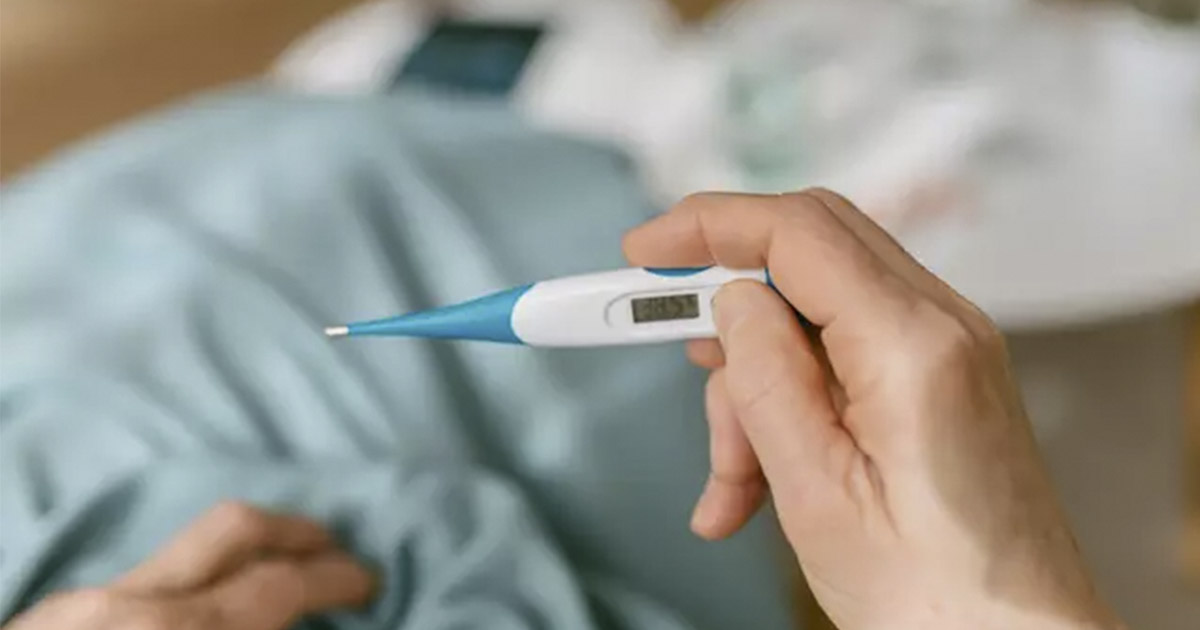
Unfortunately, many people are getting sick over the holidays this year. It is common for colds and viruses to spread during cold weather because the cold can lower the immune system and increase the activity of viruses. Respiratory symptoms often include a cough, runny nose, and fever. But this time, the most common complaint is a sore throat next to a strep throat test.
Medical experts believe that many of these conditions are caused by adenovirus, a well-known family of viruses that can infect the respiratory system. Although adenovirus itself is not new, it has been described as a “mystery” disease because it often mimics other diseases and has no specific treatment or cure. Unlike strep throat, antibiotics are ineffective, prompting doctors to focus on symptom relief instead of targeted medications. Fortunately, there are still ways to manage and reduce its effects.
What are Adenoviruses?
“Most patients who have had that really sore throat have adenovirus, a common virus that spreads year-round,” said Jefferson Health medical director Eric Sachinwalla writing to Philadelphia Magazine.” Adenoviruses are a group of viruses that cause many diseases, but the most common ones involve the respiratory system.
Fortunately, most of these infections are mild, but some can be serious, especially in young children, pregnant women, and people with compromised immune systems. In fact, adenovirus outbreaks are often found in children under four years of age, according to a 2016 review, especially in preschools. In this setting, children and infants are very close to each other, and many of them tend to put things in their mouths and do not wash their hands regularly. However, outbreaks can occur in any place where people are in close proximity, such as school dormitories, public swimming pools, hospitals, and nursing homes.
According to the CDC, the symptoms of adenoviruses go beyond the common cold symptoms. It may also be accompanied by pneumonia, bronchitis, ear infections, red eye (conjunctivitis), and severe gastroenteritis (which includes abdominal pain, diarrhea, nausea, and vomiting). Very rare conditions can include inflammation of the bladder or infections (such as urinary tract infections) or neurologic diseases (such as meningitis and encephalitis).
In most cases, adenoviruses last a few days to a few weeks. Some symptoms, such as a cough, may remain after that. Severe infections may take longer to heal. Unfortunately, having one adenovirus does not create immunity to other viruses in this group. There are about 50 types in total, and they can target different parts of the body.
How to Recover Adenovirus |

People may encounter adenoviruses without realizing it. They may have thought it was the common cold. The good news is that most cases of mild infection do not require medical attention. In many areas, laboratory testing for adenoviruses is not routine, except in outbreaks. There are no antibiotics or medicines that can cure these diseases. There are also no vaccines available to the general public. Fortunately, the body heals on its own in most cases. The key should be to rest and drink plenty of fluids.
People can choose to ease their symptoms with over-the-counter fever reducers. But this is not the best course of action. “Not every fever needs to be treated with Tylenol or Motrin, either. A fever is actually a tool for your immune system; it’s how we fight disease,” Sachinwalla said. “However, if your fever is accompanied by body aches or chills, you may want to use medication…”
If your immune system is weak or you have severe symptoms, talk to your healthcare provider. These symptoms include difficulty breathing, dehydration, a fever that lasts for five days, and a fever over 104°F (40°C). In infants and children, watch for fussiness, poor sleep, and decreased awareness or activity.
Prevention tips

Image credit: Shutterstock
In addition to close contact, adenoviruses can also spread through respiratory droplets from coughing and sneezing. People can get it if they touch a contaminated area and then touch their mouth, nose, or eyes. It can also be spread through feces, so a parent may become infected by changing a baby’s diaper. To further complicate matters, adenoviruses are resistant to many types of common antibiotics, and can remain in the environment for long periods of time, according to the Cleveland Clinic. In addition, people can continue to spread the infection for days or weeks after recovering from their symptoms.
To avoid getting sick, wash your hands regularly, using soap and water, and rub for at least 20 seconds. Stay away from sick people. Do not touch your face unless you have just washed your hands. Clean and disinfect children’s toys, counters, sinks, and other frequently used surfaces.
Read more: COVID’s Long Shadow: Symptoms The Virus May Affect You Years Later
How to get rid of Adenovirus

Image credit: Shutterstock
Remember, adenoviruses are difficult to remove with regular cleaners. So look for disinfectant products that are approved by the EPA to work against adenovirus. Their active ingredients are usually quaternary ammonium, ethanol, isopropanol, hydrogen peroxide, or sodium hypochlorite (also known as bleach). Here are some adenoviruses on the EPA list:
- Danolyte from Danolyte Global Inc. (Leave on surface for 10 minutes to fully disinfect.)
- Panther Disinfectant from Maxill Inc. (Leave on top for 3 minutes.)
- Claire Disinfectant Bathroom Cleaner from Claire Manufacturing Company. (Leave on top for 10 minutes.)
- Dispatch Wipes from Clorox Professional. (Walk somewhere for 1 minute.)
- ProSpray Wipes from Certol International LLC. (Leave in place for 3 minutes.)
If you already have adenovirus, avoid spreading it by staying home and away from others. Additionally, do not share food dishes, cups, towels, or pillows with anyone. Carefully dispose of baby diapers and continue to change tables that have been disinfected. Maintain hygiene by washing your hands regularly, and sneezing and coughing into a tissue or elbow (not your hands).
Disclaimer: This information is not intended to be a substitute for qualified medical advice, diagnosis or treatment and is for information only. Always seek the advice of your doctor or other qualified health care provider with any questions about your medical condition and/or current medications. Do not disregard effective medical advice or delay seeking advice or treatment because of what you read here.
Read more: Researchers Find Strongest Link Between Epstein-Barr Virus and Lupus