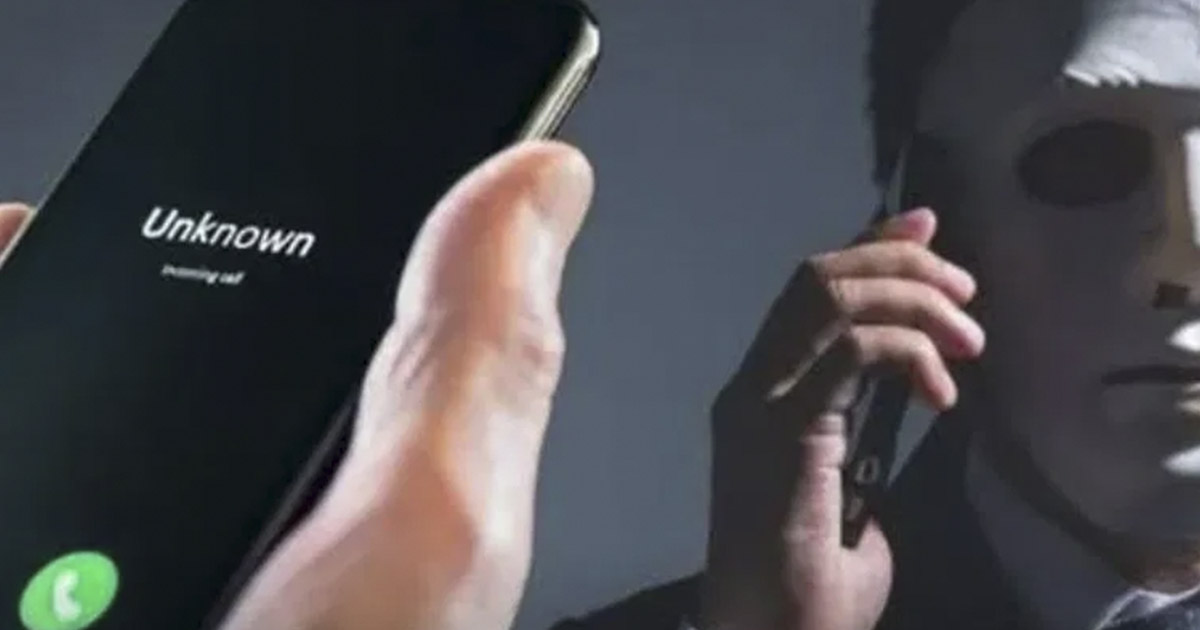
People are getting smarter about pyramid schemes and e-mails from Nigerian princes, so scammers are getting smarter. Today, artificial intelligence seems to be everywhere. Generative AI platforms make it easy to discover images, text, videos, music, and other types of audio. This technology has developed over the past few years, and AI products were often seen. But now, it may be hard to see them. It doesn’t help that social media is full of “AI-generated slop” that continues to blur the lines between “robot” and human profiles. But low-effort content farms and spam accounts aren’t the only ones on the AI train. New scams use AI to steal people’s identities, data, and money. And like the decline of AI in social media, it’s getting harder to spot.
“Say Yes” Scam
Photo credit: Shutterstock
The Better Business Bureau has issued warnings about “say yes” Fraudsters may use several methods, such as impersonating a bank, insurance company, government agency, or business. Alternatively, they may quickly ask, “Do you hear me?” In any case, their goal is to get the victim to confess. They may ask other questions like these “Is this [your name]?” or “are you there?” or “are you the owner of the house?”
Then they record the “yes” and arrange to make it sound like victims are authorizing large purchases. The scam could be a robocall, and remember, the Federal Communications Commission (FCC) has ruled that AI-generated voices in robocalls are illegal. Fraudsters using a yes scam may already have their subject’s personal data, such as their credit card number from a security breach or identity theft.
The BBB offers anecdotes posted on the BBB Scam Tracker:
- “The caller asked if he could ‘hear me’ and then he represented himself as a representative of [company name redacted] and request personal financial information…”
- “They called and said hello, they asked me if I could hear them, I thought they wanted me to say yes, but I said “mhmm”, and they immediately hung up.
How to Avoid a Yes Scam

Photo credit: Shutterstock
The best way to protect yourself from yes scams and many other phone-based scams is to simply hang up. If you pick up a call from an unknown number and they immediately try to ask for a “yes” or another positive answer, ignore it. Report the number to a local government agency, such as the BBB if you are in the US
Second, regularly check your bank and credit card statements and phone bills for unauthorized purchases. You can also notify your banking company if you are concerned about your data being leaked, and they can place alerts on your account for unauthorized charges or suspend your account.
It is important to note that there are no confirmed cases of money loss due to the yes scam. Snopes investigated these warnings and found that many people reported “you hear me” calls heard about it in the news. It seemed that they did not lose money because of it. It is common for law enforcement agencies to warn the public about possible criminal schemes because of “better safe than sorry” mind. With the rise of AI, fraudsters have a new arsenal to work with, so it’s important to stay aware of new potential strategies. These types of warnings are intended to alert the public, not to cause panic. So here are a few more scams that use AI voices.
AI Voice “Hello Mom/Dad” Scam

Many people have received scam emails posing as friends and relatives who need cash. The emails are designed to trick the victim into sending money, but the trick is over when the victim calls the alleged victim, who confirms the email is a fake. But now scammers are skipping emails and going straight to the phones. They use AI to sound like vulnerable family members, using audio samples from their social media profiles. After hearing a loved one is distressed, the victim may ignore a sketchy story that they would otherwise ignore in an email.
Therefore, it is important to spread awareness about these scams. Knowing that voices (and incoming phone numbers) can be spoofed, people may act on their suspicions. If you are in this situation, hang up and try to contact the person yourself. Beware of fraudulent requests for money, especially for gift cards, because they are difficult to track, explained Will Maxson, assistant director of the FTC’s marketing division, to The Washington Post.
Read more: 15 Retirement Scams to Watch Out for
More AI-Based Phone Scams
Synopsis: Fraudsters can use AI automated voice recording and voice changing software to trick unsuspecting victims.
- Scammers may use AI voices and fake driver IDs to claim to support the technology and claim your device is infected, Microsoft warns.
- Criminals can use AI and pretend to be a bank to steal login information or funds, according to a statement from Atlantic Union Bank.
- AI-generated recruitment videos or phone calls pretending to conduct fake job interviews. They then ask for money or fish for personal and bank details, according to the BBC.
- Fraudsters are now using AI voices to pretend to be from the IRS, Social Security, or law enforcement. They may threaten legal action unless the victim pays and/or provides personal data, warns cyber security strategist Matthew Rosenquist at McAfee.
Don’t Believe Everything You Hear
Synopsis: People learn to question the authenticity of what they see and hear online.

The sad truth is that something as personal as a voice no longer guarantees authenticity. With the widespread use of Photoshop, face filters, and other digital effects, we have already been warned to question photos and videos. For years people have been warned “not to believe everything they see on the internet”. That warning now extends to “everything they hear” on the Internet, and on their phone lines. And don’t be ashamed if you have been a victim of this scam. Scammers take advantage of the natural trust, vulnerability, and emotional connection people have with each other. Often, the victims did not like you “because they are dumb.” They fall for it because they are human.
Read more: 8 Everyday Scams You May Fall For Without Realizing